
Getting a PCB assembly quote feels straightforward until it isn’t. You submit a request, wait a few days, and receive numbers that vary wildly between suppliers with no explanation for why. Before you can evaluate a manufacturer fairly, you need to understand what’s actually driving those numbers and what the quote alone can’t tell you.
What Goes Into PCB Assembly Pricing
PCB assembly cost isn’t a single calculation. It’s the sum of several variables, and each one shifts depending on your board’s complexity, volume, and timeline.
Component costs
The components themselves typically account for the largest portion of your PCB assembly cost. Surface-mount devices (SMDs), through-hole components, and specialty parts all carry different price points, and availability directly affects what you’ll pay. If your BOM includes long-lead or allocation-constrained parts, a good manufacturer will flag that upfront rather than quote against a part that may not be in stock when production starts.
Board complexity
Layer count, trace width, hole sizes, and pad spacing all influence how long your boards take to run and whether specialized equipment is required. A four-layer board with fine-pitch BGAs takes more setup time than a simple two-layer board with standard footprints. That complexity gets priced into your quote. Good PCB design and assembly practices can reduce complexity before you ever request a quote.
Volume
Per-unit cost drops as volume increases, primarily because setup time gets amortized across more boards. A prototype run of 10 units carries much higher per-unit cost than a production run of 500. Not because the manufacturer is penalizing low volumes, but because the fixed costs (programming, fixtures, first article inspection) are spread across fewer pieces.
Solder process
Whether your build requires reflow soldering, wave soldering, selective soldering, or hand soldering for specific components affects both time and labour. Mixed-technology boards (those with both SMT and through-hole components) often require multiple passes and additional handling.
Testing and inspection
Automated Optical Inspection (AOI), In-Circuit Testing (ICT), and functional testing aren’t always quoted as standard. Some manufacturers include basic inspection; others quote it as an add-on. If testing isn’t clearly itemized in your PCB assembly quote, ask.
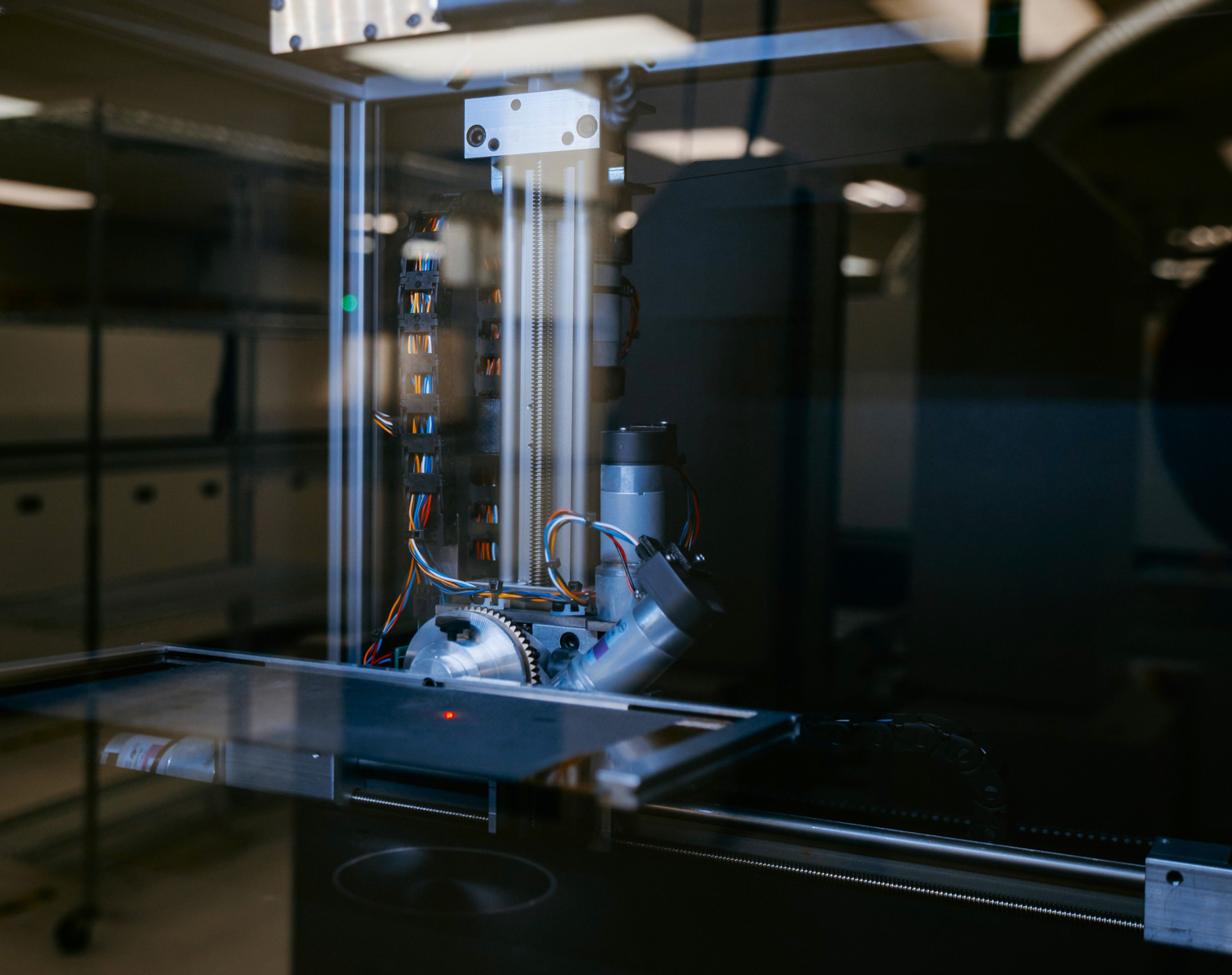
Glenbrook X-ray inspection system at IMS Electronics, Calgary.
NRE costs
Non-recurring engineering charges cover the work done once, including programming, tooling, custom fixtures, and first article review. These are legitimate costs, and they should be visible in your quote. Ask your manufacturer to itemize NRE costs separately from per-unit costs. This itemization gives you a clear picture of what you’re paying for production versus setup.
How to Evaluate Manufacturers Beyond the Price
PCB assembly pricing is only part of the evaluation. Two quotes at the same number can represent very different outcomes depending on who’s behind them.
Ask about their process controls
Quality is easier to promise than to demonstrate. IPC-A-610 defines the workmanship standards that finished electronic assemblies should meet, and not every manufacturer builds to the same class. IMS builds all products to at least IPC Class II standards, with Class III available on request. That distinction matters for applications where reliability under stress is non-negotiable. When evaluating other manufacturers, ask which IPC class they build to as a baseline and whether it’s documented in their process controls.
Understand their component sourcing practices
Counterfeit and substandard components are a documented problem in electronics manufacturing. Ask your manufacturer where they source components and whether they have traceability practices in place. Established manufacturers purchase from authorized distributors or directly from manufacturers, not grey market suppliers, and they can show you that paper trail.
Look at their range of services
A manufacturer that only handles PCB assembly hands you a completed board and nothing else. If your build requires an enclosure, cable assembly, or full box build, you’ll be coordinating across multiple vendors, each with their own lead times, communication patterns, and quality standards.
IMS handles PCB assembly, sheet metal fabrication, and full box build under one roof in Calgary. That integration makes a big difference when you’re trying to keep a project moving. You don’t want the answer to “where’s my order?” to be a three-vendor phone chain.
Evaluate their responsiveness before you’re a customer
How a manufacturer communicates during the quoting process tells you a lot about how they’ll communicate during production. If questions go unanswered for days, timelines slip without explanation, or no one seems to own your file, that pattern tends to repeat. Buyers switch manufacturers for many reasons, and poor communication ranks high among them. Fast, specific answers to your questions during quoting tell you something real about how that relationship will feel six months into production.
Ask about their capacity and lead times honestly
A competitive price against a lead time that blows your deadline isn’t a win. Ask manufacturers about their current capacity and what’s driving their quoted timeline. The ones who are straight with you about constraints before you’ve signed a PO tend to be the same ones who call you when something shifts mid-production rather than waiting for you to ask.
What a PCB Assembly Quote Should Include
A complete, useful quote should show you:
→ Unit pricing at your requested volume, and ideally at one or two additional volume tiers
→ NRE and setup costs itemized separately from per-unit costs
→ Component costs or a clear note about whether components are customer-supplied or manufacturer-supplied
→ Lead time from PO to delivery
→ What testing and inspection is included vs. available as an add-on
→ Any assumptions about the quote (e.g., specific component substitutions, IPC class)
A detailed quote also protects you later; if a question comes up about scope, pricing, or lead time, you have something concrete to point to.
A Note on Canadian Manufacturing
Canada has a strong electronics manufacturing story, and IMS has been part of it for decades. Building locally means direct communication, faster turnaround, and a team you can actually sit down with. For buyers who’ve dealt with the uncertainty of offshore production, the difference is immediate.
Reach out to the friendly team at IMS today for a PCB assembly quote.