If you’ve requested a PCB assembly quote recently, you’ve probably seen IPC standards mentioned somewhere in the conversation, whether on a manufacturer’s website, in their quality documentation, or as a line item in their process controls. Understanding what those standards mean for your build puts you in a much better position when evaluating manufacturers.
What Are IPC Standards?
IPC is a global trade association that develops technical standards for the electronics manufacturing industry. Their standards cover everything from PCB design and fabrication to assembly workmanship and testing. When a manufacturer says they build to IPC standards, they’re referencing a specific, internationally recognized framework.
The standard most relevant to PCB assembly is IPC-A-610, titled “Acceptability of Electronic Assemblies.” It defines the workmanship criteria that assembled boards should meet. This includes solder joint quality, component placement, cleanliness, and more. IPC-A-610 is the most widely used standard in electronics manufacturing worldwide, and it’s the benchmark buyers should reference when evaluating a manufacturer’s quality baseline.
The Three IPC Classes
IPC-A-610 defines three product classes, each reflecting a different level of reliability requirement:
Class 1 — General Electronics
Consumer products where appearance and function matter but extended service life isn’t critical. Think disposable electronics, basic appliances, or products with short expected lifespans.
Class 2 — Dedicated Service Electronics
Products where continued performance and extended service life are required, but uninterrupted service isn’t critical. This covers the majority of commercial and industrial electronics, medical devices that aren’t life-sustaining, industrial controls, communications equipment, and most professional electronics.
Class 3 — High Reliability Electronics
Products where failure is not an option. Military and aerospace equipment, life-sustaining medical devices, and systems operating in harsh or inaccessible environments all fall into Class 3. The workmanship requirements are significantly more stringent, inspection criteria are tighter, and documentation requirements are more extensive.
Class 2 vs. Class 3: How the Standards Differ on the Assembly Floor
The differences between Class 2 and Class 3 show up on the assembly floor, in the inspection bay, and in the documentation that follows your build.
Solder joint acceptability criteria are stricter in Class 3. A surface-mount component placed slightly off-pad is an acceptable visual defect under Class 2; the same placement fails Class 3 inspection. Copper voids follow the same logic. Class 2 permits one void in 5% of plated through-holes, while Class 3 permits none. Component placement tolerances are tighter overall, and every step of the process requires more thorough documentation to support traceability.
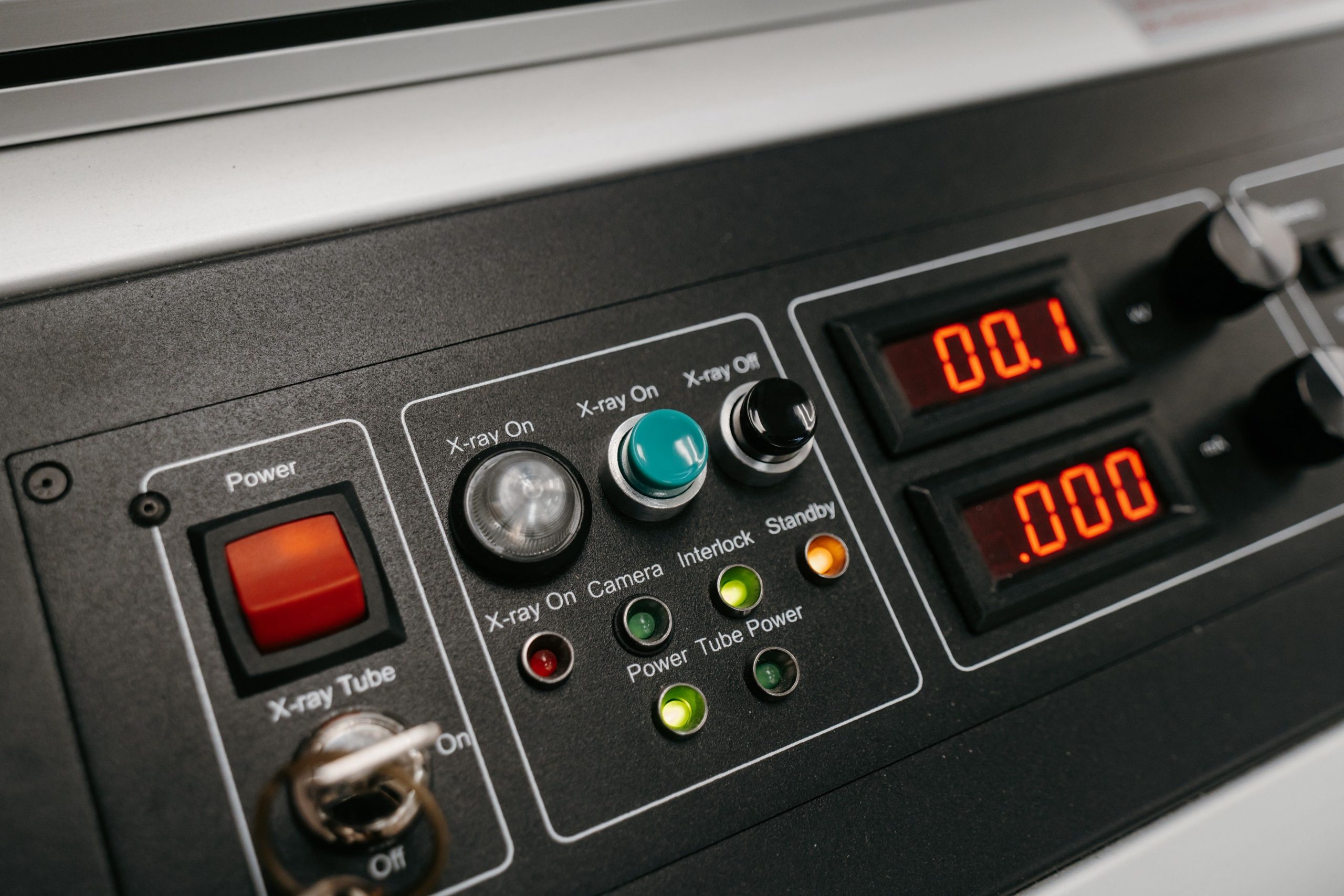
Precision controls on the X-ray inspection system used to examine BGA solder joints and hidden connections during PCB assembly.
For manufacturers, building to Class 3 requires certified inspectors trained specifically to IPC-A-610 Class 3 criteria, more rigorous process controls, and equipment capable of detecting defects that Class 2 inspection might not catch, including X-ray inspection for BGA and hidden solder joints.
Not every manufacturer can credibly offer Class 3. It requires investment in both equipment and trained personnel.
What IMS Builds To
IMS builds all products to IPC Class 2 as a baseline. Class 3 is available on request for applications where that level of reliability is required.
That baseline matters. It means every board that leaves the IMS facility, regardless of volume or complexity, meets the workmanship criteria defined for dedicated service electronics. Buyers don’t need to ask whether IMS takes quality seriously on smaller runs or simpler builds. The standard applies consistently.
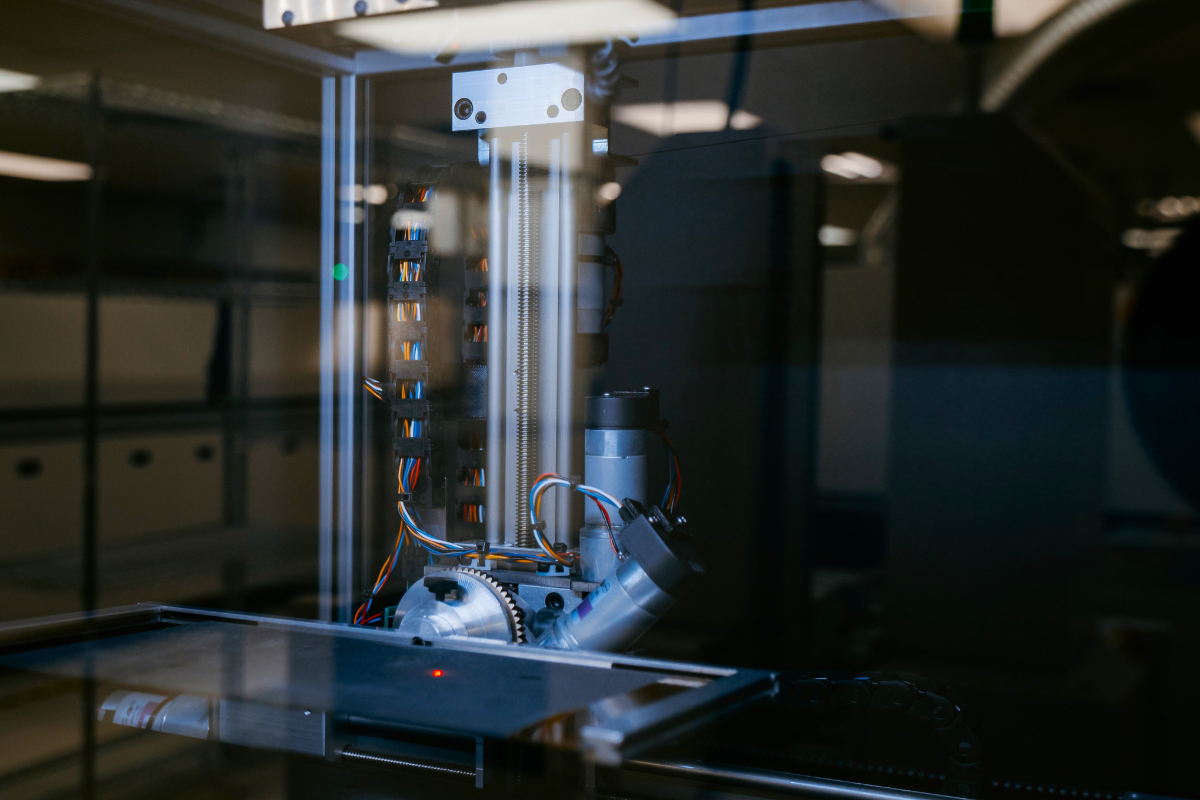
For Class 3 projects, IMS has X-ray inspection capability and certified personnel to meet those requirements.
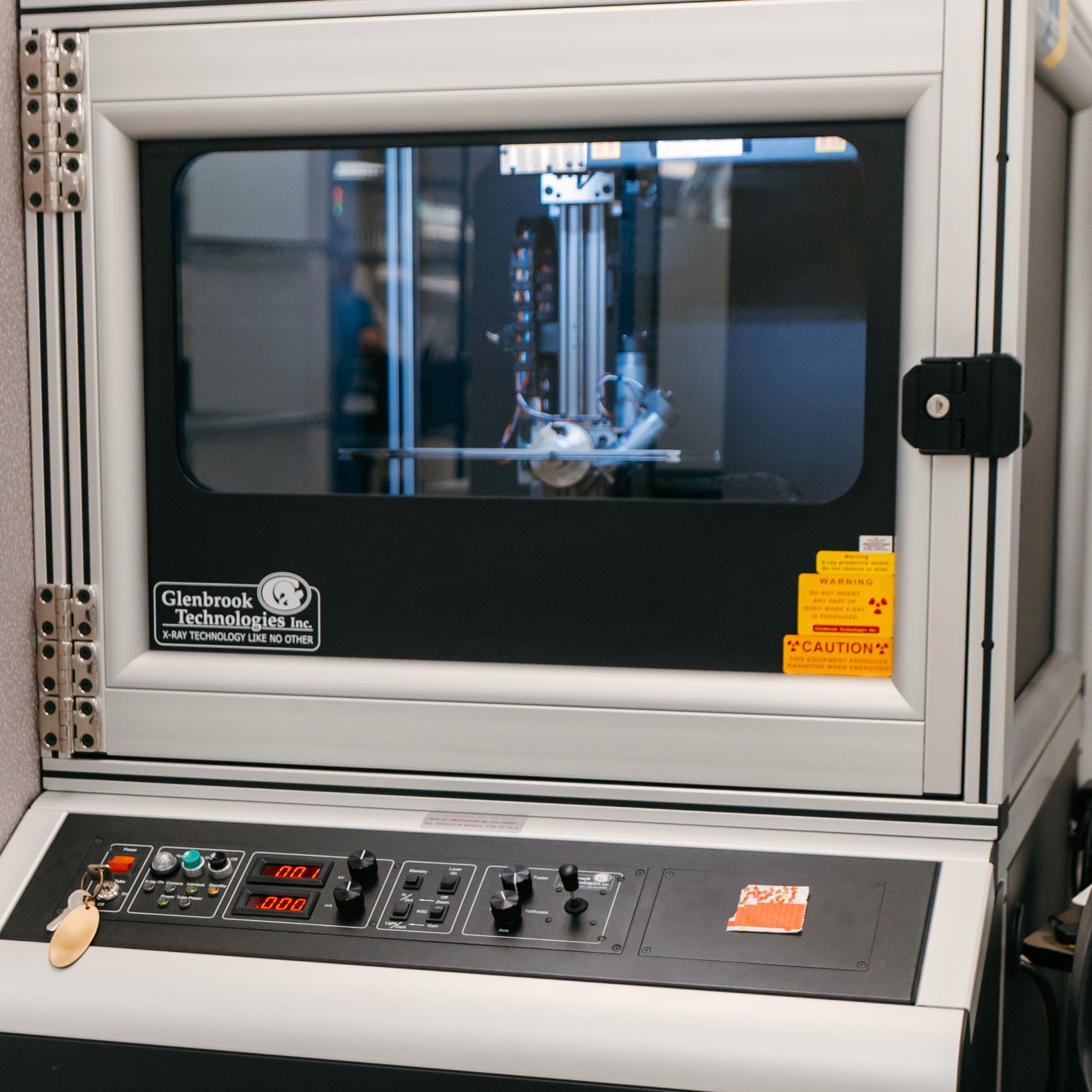
X-ray inspection at IMS Electronics, Calgary. Used to verify solder joint integrity on BGA and other complex assemblies.
Which Class Does Your Build Require?
For most commercial and industrial applications, Class 2 is the appropriate standard. If your product operates in a controlled environment, has accessible service options, and isn’t life-critical, Class 2 workmanship will meet your reliability requirements.
Class 3 is worth specifying when your product will operate in extreme conditions, when field service is difficult or impossible, or when failure carries significant safety or financial consequences. Aerospace components, implantable medical devices, and military electronics are the clearest examples, but some industrial and oil and gas applications also warrant Class 3 depending on the operating environment.
If you’re unsure which class applies to your build, that’s a conversation worth having with your manufacturer before production begins. A manufacturer familiar with IPC-A-610 can review your application and help you determine the right specification and flag it if your current design has features that would create challenges at Class 3.
What to Ask Your Manufacturer
When evaluating a PCB assembly partner, these are the questions worth asking about IPC standards:
- Which class do you build to as a baseline, and is that documented in your process controls?
- Are your inspectors IPC-A-610 certified, and to which class?
- What inspection equipment do you use for complex solder joints like BGAs?
- Can you provide documentation showing IPC class compliance for my build?
A manufacturer who answers these questions clearly and specifically is showing you something about how they operate. Vague answers about “high standards” and “quality focus” without reference to specific IPC criteria are worth noting.
A Note on IPC-A-610 vs. Other IPC Standards
IPC-A-610 is the assembly workmanship standard, but it’s part of a broader family of IPC standards that cover the full electronics manufacturing process. IPC-2221 covers PCB design rules. IPC-7711/7721 covers rework and repair. IPC-J-STD-001 covers soldering requirements and is often used alongside IPC-A-610.
For buyers, IPC-A-610 is the most relevant standard to understand and reference when discussing assembly quality with a manufacturer. The others become relevant depending on the specific scope of your project.
When you’re ready to discuss your build and what IPC class it requires, get in touch with the IMS Electronics Manufacturing team.