There’s a particular kind of pressure that comes with building electronics for industrial environments. Not the pressure of a tight deadline or a competitive quote, but the literal kind.
Thermal pressure. Vibration. Moisture. Contaminants.
The electronics inside industrial automation and control systems don’t get to live in a server room or a climate-controlled office. They live inside oil and gas facilities, on heavy equipment, inside water treatment plants, and at the edges of remote industrial sites where a technician might visit a few times a year if things are going well.
When they work, no one thinks about them. When they don’t, everything stops.
That reality is what separates electronics manufacturing for industrial automation from most other manufacturing work. In industrial settings, a failure doesn’t stay contained. It ripples outward into downtime, investigations, and conversations nobody wants to have.
Every Stage of the Build Has to Hold Up
IPC Class 3 workmanship standards exist precisely because of difficult environments. It’s the highest classification under IPC-A-610, and it covers assemblies where failure isn’t an option and field repair is rarely straightforward. For industrial automation and control system electronics, it’s typically the starting point.
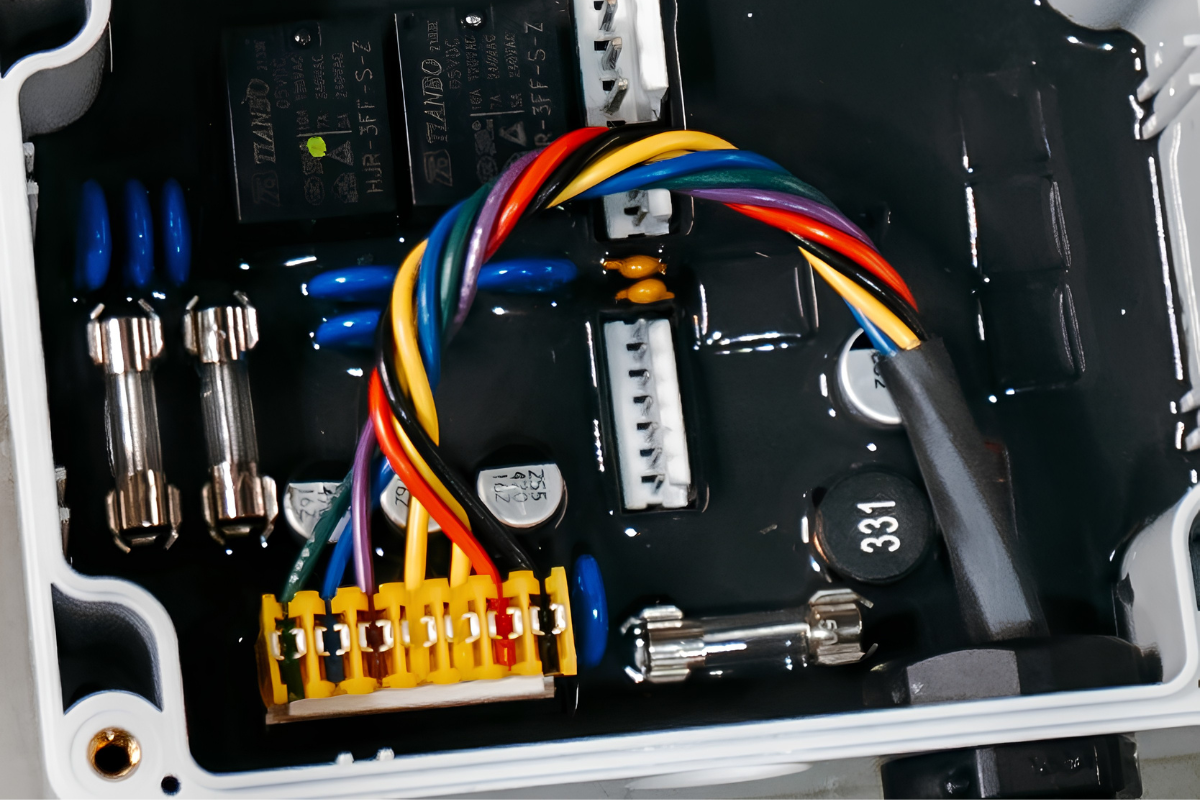
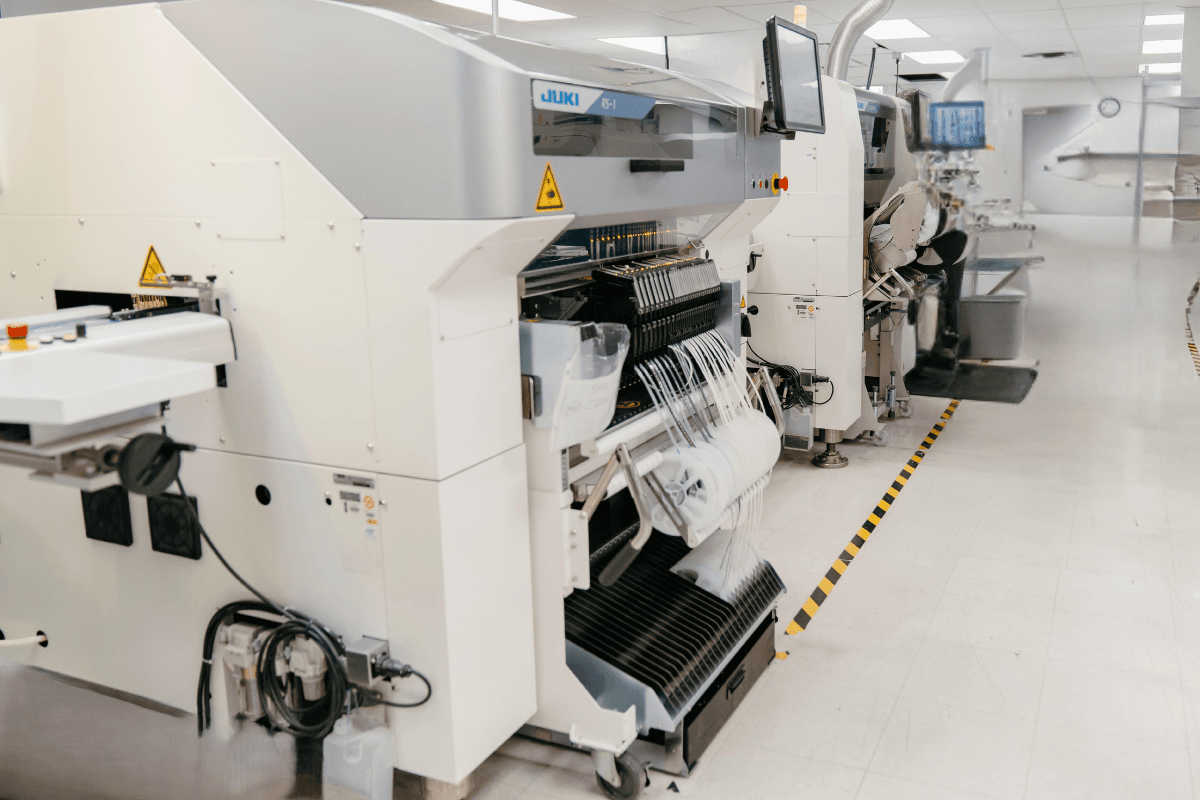
→ PCB and circuit board assemblies sit at the core of most control system electronics — PLCs, HMIs, remote I/O modules, and custom control boards. These are often mixed-technology builds combining surface mount and through-hole components, with fine-pitch parts requiring precise placement and thorough inspection. Many get conformal coated after assembly, which needs to be planned for from the start, not added on at the end.
→ Cable and harness assemblies connect control electronics to the sensors, actuators, and communication networks that make a system functional. In industrial environments, those connections take real mechanical abuse such as vibration, flexing, and exposure to oils and coolants. A harness that fails in the field is often harder to diagnose and replace than the control board it’s connected to. The quality of cable fabrication deserves the same attention as the board work itself.
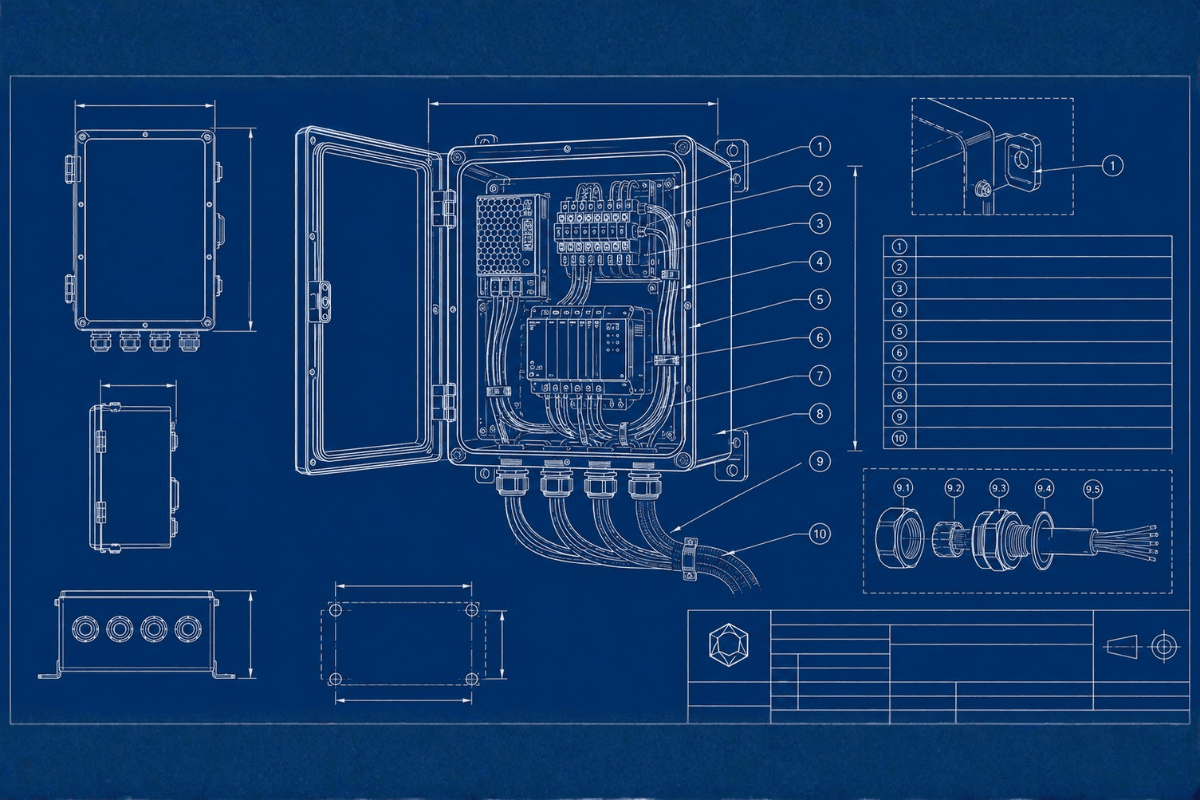
→ Sheet metal enclosures and machined components protect everything inside them. For industrial applications, that means hitting the right ingress protection ratings, managing heat effectively, and fitting the exact dimensions of the electronics inside. When fabrication, machining, and electronics assembly all happen at the same facility, the team designs enclosures around the actual board layout from the start, not the other way around.
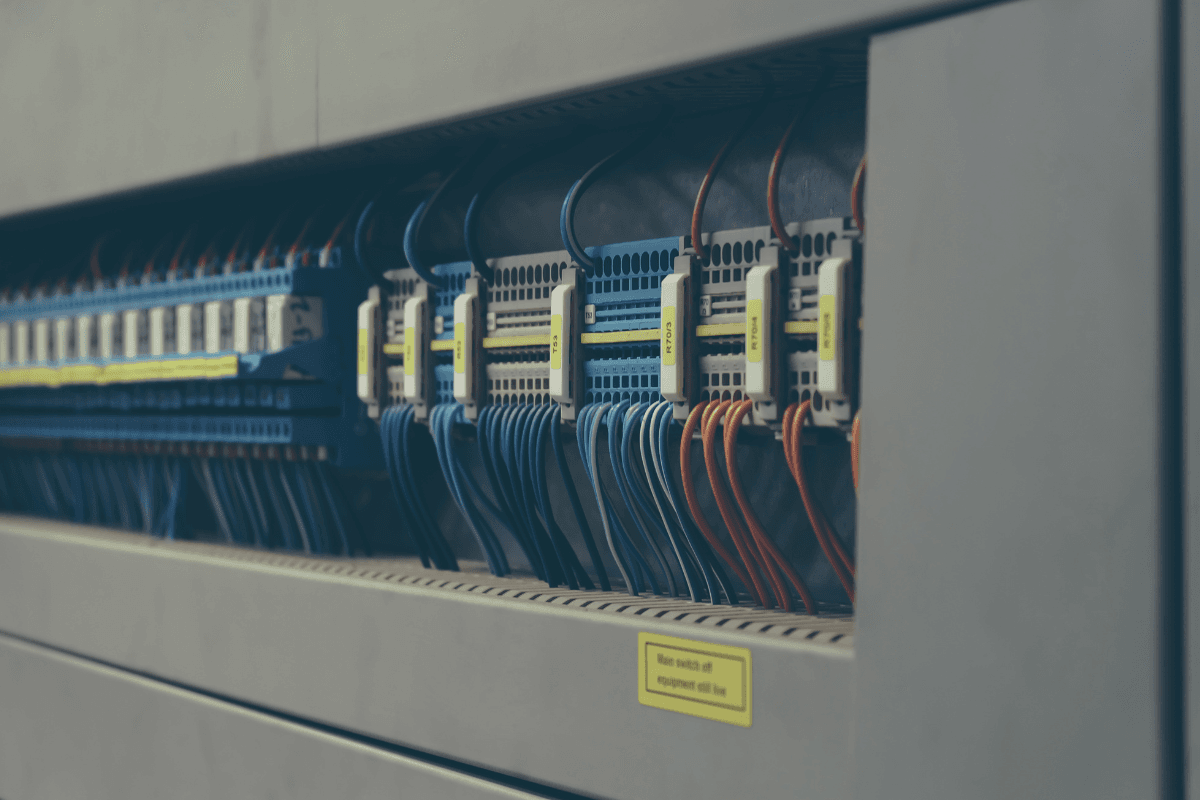
→ Box build and system integration brings all of it together. For industrial automation clients, a finished deliverable might be a fully wired and tested control panel, a packaged remote monitoring unit, or a complete subsystem ready to install on site. The integration stage is where every upstream decision either holds together or reveals a gap.
High-Mix, Low-Volume Is the Reality of This Work
Electronics used in industrial automation and control systems are rarely commodity products. A typical programme might involve several board variants, custom cable harnesses, machined enclosures, and a complete box build in quantities of tens or hundreds rather than thousands.
As industrial automation and control systems become more widely deployed across Canadian energy, mining, and manufacturing operations, demand for specialized electronics manufacturing continues to increase.
Canada’s industrial automation and control systems market is growing at 7.4% annually through 2030, driven by investment in PLCs, SCADA systems, and process control technologies across oil and gas, energy, mining, and manufacturing sectors.
As that investment grows, so does the need for manufacturers equipped to support the complexity these projects demand. Complex, varied, lower-volume builds where attention to detail matters more than throughput speed.
Important Considerations Before Committing to an EMS Partner
1. Experience with harsh-environment builds is the first thing to probe. Ask specifically about conformal coating capability, IPC Class 3 workmanship, and how the team thinks about thermal and vibration considerations at the design stage. A manufacturer who works regularly with oil and gas, energy, or heavy industrial clients brings direct experience to those conversations. The difference shows quickly.
2. Integrated capability across assembly types is worth understanding clearly. Industrial builds routinely involve boards, cables, enclosures, and complete system integration. When those stages happen at one facility, engineering change orders are easier to manage, accountability is cleaner, and the people building the enclosure actually know what’s going inside it.
3. Design for Manufacturability (DFM) review during the quoting process is a meaningful signal. A manufacturer who reads your design and raises questions about producibility, component selection, or coating requirements before the first article build is in a genuinely different category. For industrial electronics, finding a design issue early saves time and cost that compounds quickly if discovered later.
Supporting Industrial Automation and Control System Builds
Industrial automation and control systems place unique demands on electronics manufacturing. Environmental conditions, system complexity, regulatory requirements, and long service life expectations all influence how products should be built, tested, and integrated.
For OEMs operating in sectors such as oil and gas, energy, mining, water treatment, and industrial manufacturing, manufacturing capability extends beyond PCB assembly alone. Cable and harness fabrication, enclosure design, conformal coating, system integration, and testing all contribute to long-term reliability in the field.
IMS Electronics Manufacturing has spent more than two decades supporting industrial customers across Western Canada. From PCB and circuit board assembly to cable and harness fabrication, precision sheet metal enclosures, conformal coating, and complete box build integration, production is managed within a single Calgary facility.
If you’re evaluating a new industrial automation project or looking for a manufacturing partner that understands the realities of harsh-environment electronics, contact the IMS team to discuss your requirements.